Chronic Pain Is the Most Common Reason Adults Use Cannabis
Roughly 20% of US adults live with chronic pain (CDC), and surveys consistently show pain management is the most-cited reason patients turn to cannabis.
In 2017, the National Academies of Sciences review concluded the evidence that cannabinoids treat chronic pain in adults is "substantial" — the highest tier they assigned to any cannabis-related claim.
How Cannabinoids Work on Pain
Two main targets:
- CB1 receptors in the central nervous system — modulate pain signal at the brain
- CB2 receptors in immune tissue and peripheral nerves — modulate inflammation at the site
THC binds CB1 directly. CBD modulates the system indirectly and has its own anti-inflammatory pathway. The two work synergistically, which is why a balanced product (3:1 THC:CBD or similar) often outperforms isolate of either.
What Formats Work Best for Pain
Concentrates and live-resin extracts
Highest cannabinoid + terpene density per inhale.
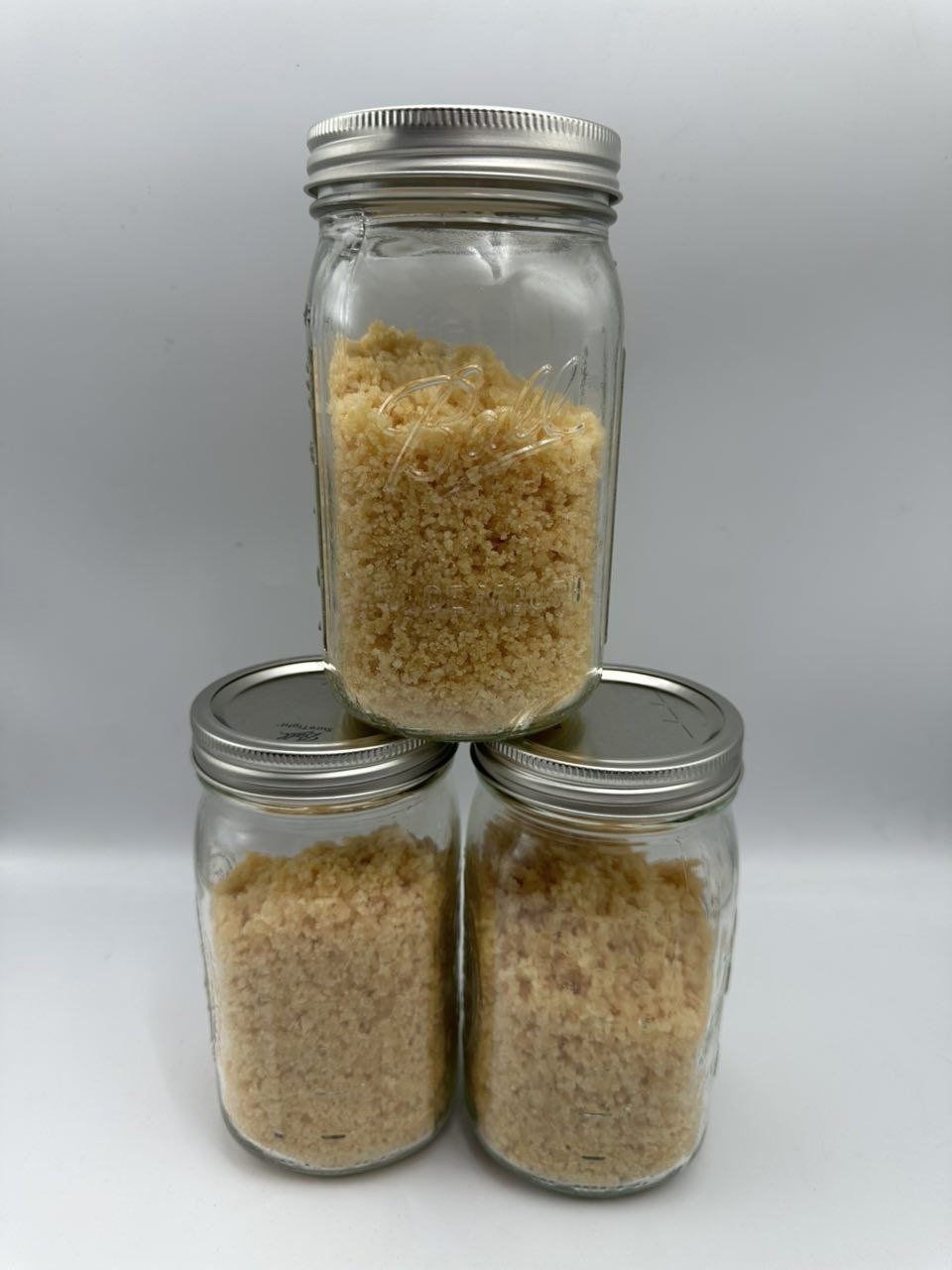
⬆️100% LIVE RESIN SUGAR UNITS 🍯 and Minaj Extracts NEW DROP are full-spectrum extracts that retain the terpene profile of the source flower — caryophyllene in particular binds CB2 directly and shows up in the pain-relief literature.
Edibles for long-acting relief
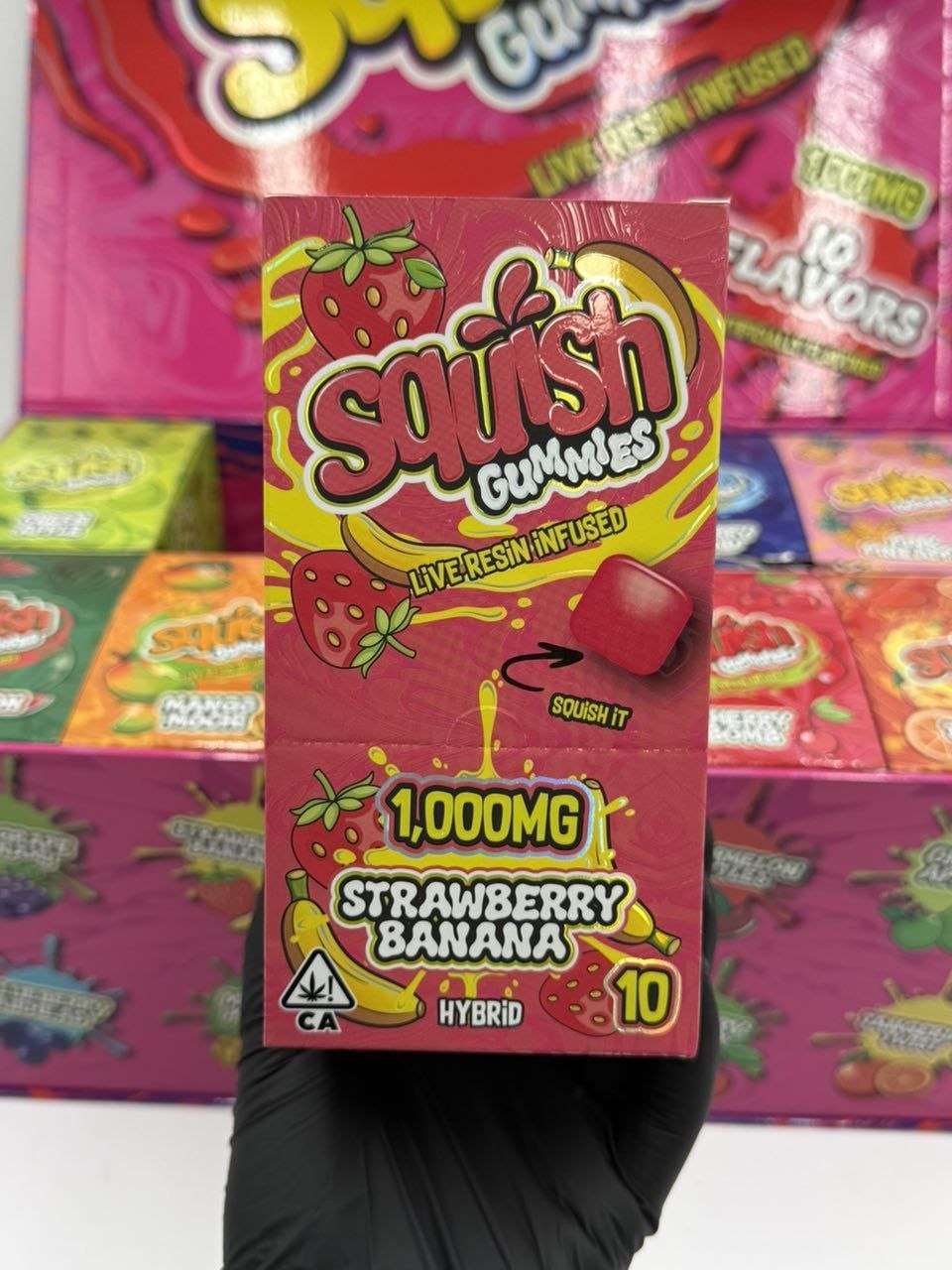
Edibles take 30–90 minutes to onset but deliver 4–8 hours of effect — useful for people who wake up sore and want all-day coverage. LIITT EXOTICS THC 🔥 gummies are an entry-point format.
Indica-leaning flower for evening pain
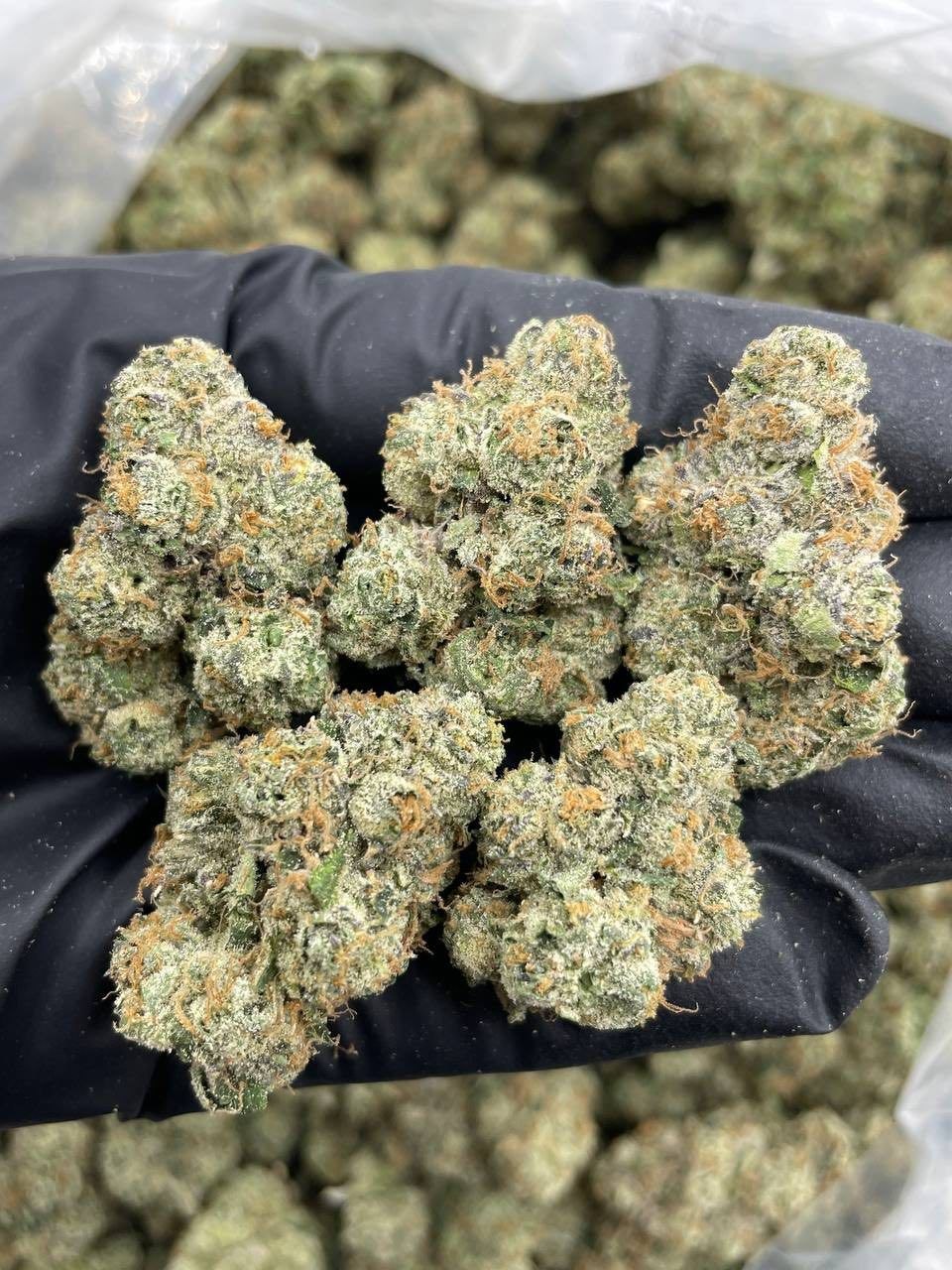
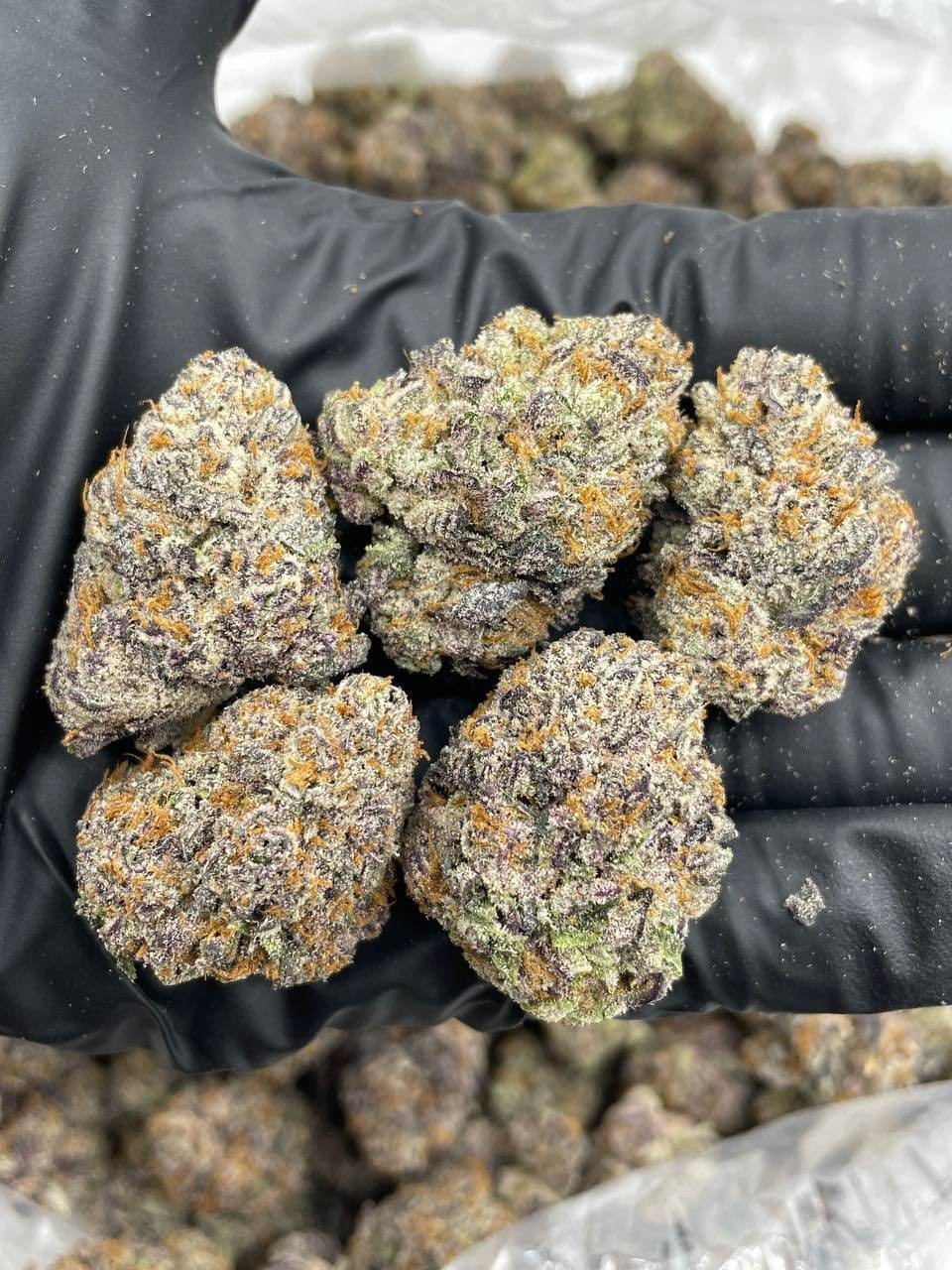
For pain that interferes with sleep, indica-leaning cuts like PINK VERSACE INDOORS 💗💰 stack a body-relaxation effect on top of the analgesic effect.
What the Evidence Says by Pain Type
| Pain type | Cannabis evidence |
|---|---|
| Chronic neuropathic pain | Substantial — multiple RCTs |
| Cancer-related pain | Conclusive for CBD oral spray |
| Fibromyalgia | Moderate — anecdotally strong |
| Arthritis | Emerging for topical CBD |
| Post-surgical acute pain | Limited, opioid-sparing studies underway |
The Opioid Question
A growing literature (JAMA Internal Medicine, 2018) finds opioid prescribing rates drop in states after legalization. Cannabis isn't a complete replacement, but for many chronic-pain patients it's effective at lower-risk doses than opioids alone.
What to Try First
- Start with an edible at 5 mg in the evening to gauge baseline.
- Add a balanced flower like STRAWBERRY MAC 🍓 for daytime "as needed" use.
- Layer in a concentrate for breakthrough pain only.
- Track effect — same dose, same time, same product, written down.
Browse the [catalog](/) — flower, gummies, and concentrate are all on the menu.
This is educational, not medical advice. Talk to your physician before changing how you manage pain.